

Product Usage: For Research Use Only – Not for Human or Veterinary Use
This product is not a drug, food, cosmetic, or dietary supplement and has not been evaluated by the FDA. It is strictly intended for in vitro research by qualified professionals. Any use in humans or animals is strictly prohibited and may violate federal, state, or local laws, including the Federal Food, Drug, and Cosmetic Act. No therapeutic or diagnostic application is implied or permitted. The purchaser assumes all responsibility for compliance with applicable regulations.
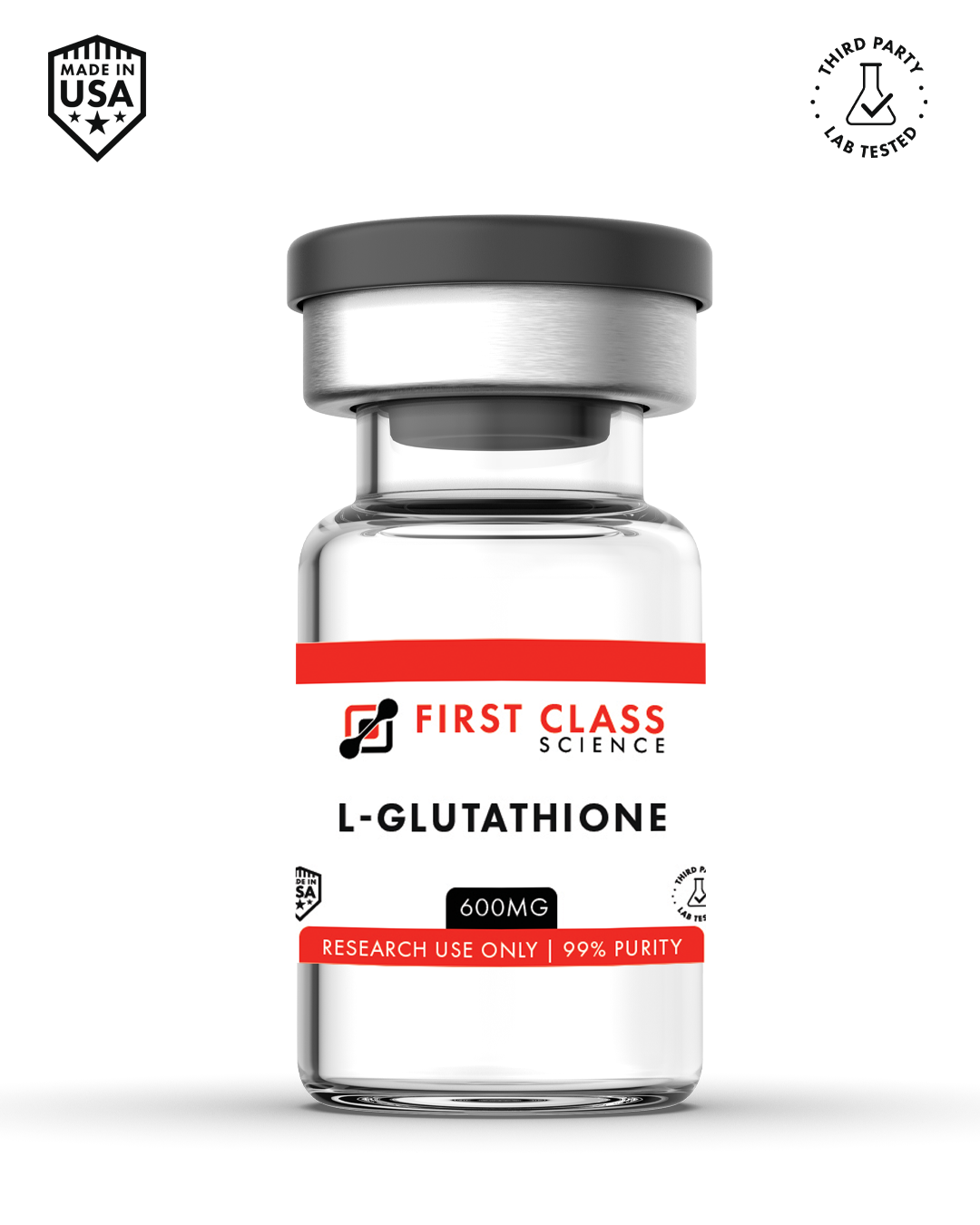
Glutathione
Lyophilized *MUST BE RECONSTITUTED*. Glutathione research peptide vial, 99% pure with third-party HPLC/mass-spec verification. Available in 200mg, 600mg, and 1500mg. Sold for laboratory research use only.
Price range: $75.00 through $125.00
Glutathione is a tripeptide (glutamate–cysteine–glycine) synthesized endogenously in nearly all mammalian cells and is one of the most extensively studied redox-active molecules in cell biology. This page is a research-reference summary for laboratory professionals sourcing this glutathione research peptide for in vitro and non-clinical investigation — it is not a guide to human or animal use.
In this reference:
- What Is Glutathione?
- Proposed Mechanism of Action
- Chemical Identity
- Purity, Storage & Quality
- Research Applications
- What the Human Evidence Shows
- Compared to Related Research Compounds
- Frequently Asked Questions
What Is Glutathione?
Glutathione (GSH) is the most abundant low-molecular-weight thiol in mammalian cells, present intracellularly at millimolar concentrations in tissues such as liver, lung, and kidney. As a research peptide, it is studied primarily for its role in the reduced (GSH) and oxidized (GSSG) redox couple, which serves as a key indicator of a cell’s overall oxidative state in published literature.
Unlike ribosomally-synthesized peptides, GSH is produced through a two-step enzymatic pathway involving glutamate-cysteine ligase and glutathione synthetase, rather than gene translation — a structural detail that distinguishes it from many other research peptides in this category while still qualifying it as a tripeptide by chemical structure.
The published literature on this glutathione research peptide spans cell biology, toxicology, and biochemistry, with a substantial body of in vitro and animal-model work examining its role in detoxification pathways, cellular antioxidant defense, and metabolic regulation. As with any compound summarized on this page, findings described below are limited to what has been reported in non-clinical research models.
Endogenous Synthesis & Cellular Regulation
In cell-based research models, GSH synthesis is reported to occur through a rate-limiting first step catalyzed by glutamate-cysteine ligase, followed by a second step catalyzed by glutathione synthetase, which together determine the intracellular GSH pool available for a given experimental system. Published cell-culture work has examined how this synthesis pathway is regulated by feedback inhibition from GSH itself and by transcriptional control of the enzymes involved, providing researchers with a framework for interpreting how experimental manipulations (such as cysteine restriction or enzyme-inhibitor co-treatment) alter measured GSH levels in a given assay.
Because cysteine availability is frequently reported as the rate-limiting substrate for GSH synthesis in cultured-cell systems, several research protocols pair glutathione measurement with parallel cysteine or N-acetylcysteine treatment arms to characterize substrate-dependent effects on the measured GSH/GSSG ratio. This experimental design detail is useful context for researchers comparing results across different published cell-culture studies.
Proposed Mechanism of Action
The proposed mechanism of this glutathione research peptide centers on its thiol (-SH) group, contributed by the cysteine residue, which is proposed to directly scavenge reactive oxygen species (ROS) and reactive nitrogen species (RNS) in cell-free and cell-culture systems. A 2014 review in Frontiers in Pharmacology describes how “the thiol moiety of GSH is important in its antioxidant function in the direct scavenge of radical species,” and details the enzymatic GSH/GSSG cycle in which glutathione peroxidase catalyzes the reaction of GSH with hydrogen peroxide and lipid hydroperoxides, after which the resulting GSSG is proposed to be reduced back to GSH by NADPH-dependent glutathione reductase (Aquilano, Baldelli & Ciriolo, 2014 — PMC4144092).
A separate widely-cited 2009 review in Molecular Aspects of Medicine similarly frames GSH’s proposed protective role around this enzymatic cycling capacity together with its involvement in detoxification of electrophilic xenobiotics via glutathione S-transferase-mediated conjugation, a pathway studied largely in hepatocyte and cell-culture models (Forman, Zhang & Rinna, 2009 — PMID 18796312).
Researchers should treat both proposed mechanisms as descriptions of what has been reported in cell-free, cell-culture, and animal-model systems, not as an established clinical mechanism of action in humans. No claim in this section should be read as describing an effect this product produces in any person or animal.
Chemical Identity
| CAS Number | 70-18-8 |
| Molecular Formula | C10H17N3O6S |
| Molecular Weight | 307.32 g/mol |
| Sequence Length | 3 amino acids (tripeptide: glutamate-cysteine-glycine) |
| Appearance | White to off-white lyophilized powder |
Purity, Storage & Quality
First Class Science supplies this glutathione research peptide vial at 99% purity, verified by independent third-party HPLC testing and mass spectrometry. A Certificate of Analysis is available for every batch at our Certificate of Analysis page, listing the specific lot’s purity result, molecular-weight confirmation, and test date. This vial is offered in 200mg, 600mg, and 1500mg dosage options to support varying protocol scales.
Store the lyophilized (freeze-dried) compound at −20°C for long-term stability; unopened and properly stored, lyophilized peptide is generally stable for extended periods. After reconstitution with bacteriostatic or sterile water, refrigerate at 2–8°C and use within 4–6 weeks. Avoid repeated freeze-thaw cycles and prolonged exposure to light or room-temperature conditions, both of which are associated with accelerated degradation of thiol-containing compounds in handling literature.
Important: This item is manufactured strictly for research purposes. It is not intended for human or veterinary use and is distributed solely for laboratory and scientific investigation.
Quality Control Methodology
Each production batch of this glutathione research peptide undergoes independent third-party testing before release. High-performance liquid chromatography (HPLC) is used to confirm purity by measuring the proportion of the target molecule relative to any synthesis by-products, oxidized GSSG content, or degradation fragments in the sample. Mass spectrometry is used separately to confirm molecular identity, verifying that the measured mass of the material matches the expected 307.32 g/mol molecular weight of glutathione. Both results are recorded on the batch’s published Certificate of Analysis, allowing researchers to independently verify the identity and purity of the material used in their protocols rather than relying on manufacturer claims alone.
Who Sources This Research Peptide
Buyers of this glutathione research peptide are university and academic research laboratories, contract research organizations (CROs), and biotechnology R&D teams running in vitro and animal-model studies on oxidative-stress biochemistry and redox-regulation pathways. First Class Science requires that all research-peptide orders be placed by parties who acknowledge and agree to the research-use-only terms stated on this page prior to purchase.
Institutional buyers frequently request the Certificate of Analysis for a specific lot in advance of purchase for their own internal quality-assurance records, and First Class Science makes this available on request in addition to the standing copy published for each batch.
Research Applications
The published literature on glutathione spans several distinct research areas. Each is summarized below strictly as a description of what has been studied in animal and in vitro models — not as a claim about effects in humans.
Oxidative-Stress & Redox-Biology Research
Cell-culture and animal-model research has examined GSH’s association with intracellular redox balance, using the GSH/GSSG ratio as a measured endpoint of oxidative status in tested systems. Studies in this area typically expose cell lines or animal tissue to an oxidative challenge and measure resulting changes in glutathione pools and downstream markers of lipid, protein, and DNA oxidation.
Detoxification & Xenobiotic-Metabolism Research
A body of preclinical research has examined GSH’s association with glutathione S-transferase-mediated conjugation of electrophilic compounds in hepatocyte and cell-culture models, a pathway relevant to how cells process and clear certain xenobiotics. This research area is largely conducted in isolated liver-cell systems and animal models rather than whole-organism human studies.
Mitochondrial & Cellular-Signaling Research
Separate research has examined GSH’s proposed role in mitochondrial redox homeostasis and its reported involvement in signal-transduction pathways governing cell proliferation and apoptosis in cultured cell models. This research area remains mechanistically complex, and study authors frequently note that GSH’s signaling roles are proposed and incompletely characterized relative to its direct antioxidant chemistry.
Comparative Antioxidant-Pathway Research
Some published studies compare glutathione’s measured redox activity against other endogenous and exogenous antioxidant systems (such as superoxide dismutase and catalase pathways) within the same cell-culture or animal model, to characterize how these systems interact under a given oxidative-stress protocol. Researchers running comparative antioxidant-pathway studies frequently cite this body of work when designing multi-arm in vitro experiments.
Cell-Culture Viability & Apoptosis-Marker Research
A separate line of in vitro work has examined how experimentally-manipulated GSH levels correlate with measured cell-viability and apoptosis-marker outcomes following an oxidative or chemical challenge applied to cultured cell lines. Study authors in this area typically report that lower measured intracellular GSH is associated with increased markers of oxidative damage in the specific cell lines and challenge conditions tested, though the relationship is described as model-dependent rather than universal across all cell types studied.
What the Human Evidence Shows
Researchers evaluating glutathione should be aware of an important gap between the cell-culture and animal literature summarized above and the human evidence base. Published human studies of oral or intravenous glutathione administration exist but are limited in number, typically small in sample size, and highly heterogeneous in dose, administration route, and study duration, which makes cross-study comparison difficult.
A recurring theme across published human studies is the bioavailability question: oral glutathione is subject to breakdown by intestinal gamma-glutamyl transpeptidase before absorption, and researchers have reported inconsistent effects on measured plasma or whole-blood GSH levels across different supplementation protocols. No large-scale, adequately powered, placebo-controlled human clinical trial has established a defined safety or efficacy profile for glutathione administration in any indication.
We include this section because researchers deserve an accurate picture of the evidence base, not just the parts that sound most compelling. The in vitro and animal literature on glutathione’s redox chemistry is well-established biochemistry; the human clinical-trial record remains comparatively sparse and methodologically inconsistent, and both facts belong in the same conversation. Glutathione is not an FDA-approved drug for any indication, has not completed the controlled human trials required for such approval, and is not evaluated by the FDA for safety or efficacy in humans or animals for any purpose.
This distinction matters for how findings from this page should be used. A researcher citing glutathione’s redox-cycling or detoxification literature in a grant application, protocol design, or comparative study should characterize those findings accurately as preclinical or cell-based results, rather than implying an established human clinical effect that the published record does not yet support. As more rigorously controlled human research is published, if any, this page will be updated to reflect it.
Compared to Related Research Compounds
Glutathione research peptide is frequently studied alongside, or compared against, other antioxidant- and redox-associated research peptides. First Class Science supplies several related preparations for researchers running comparative studies:
L-Glutathione – 600mg is a fixed-dose single-strength preparation of the same glutathione research peptide, for laboratories that standardize their protocol around a single 600mg unit rather than selecting among multiple dosage options.
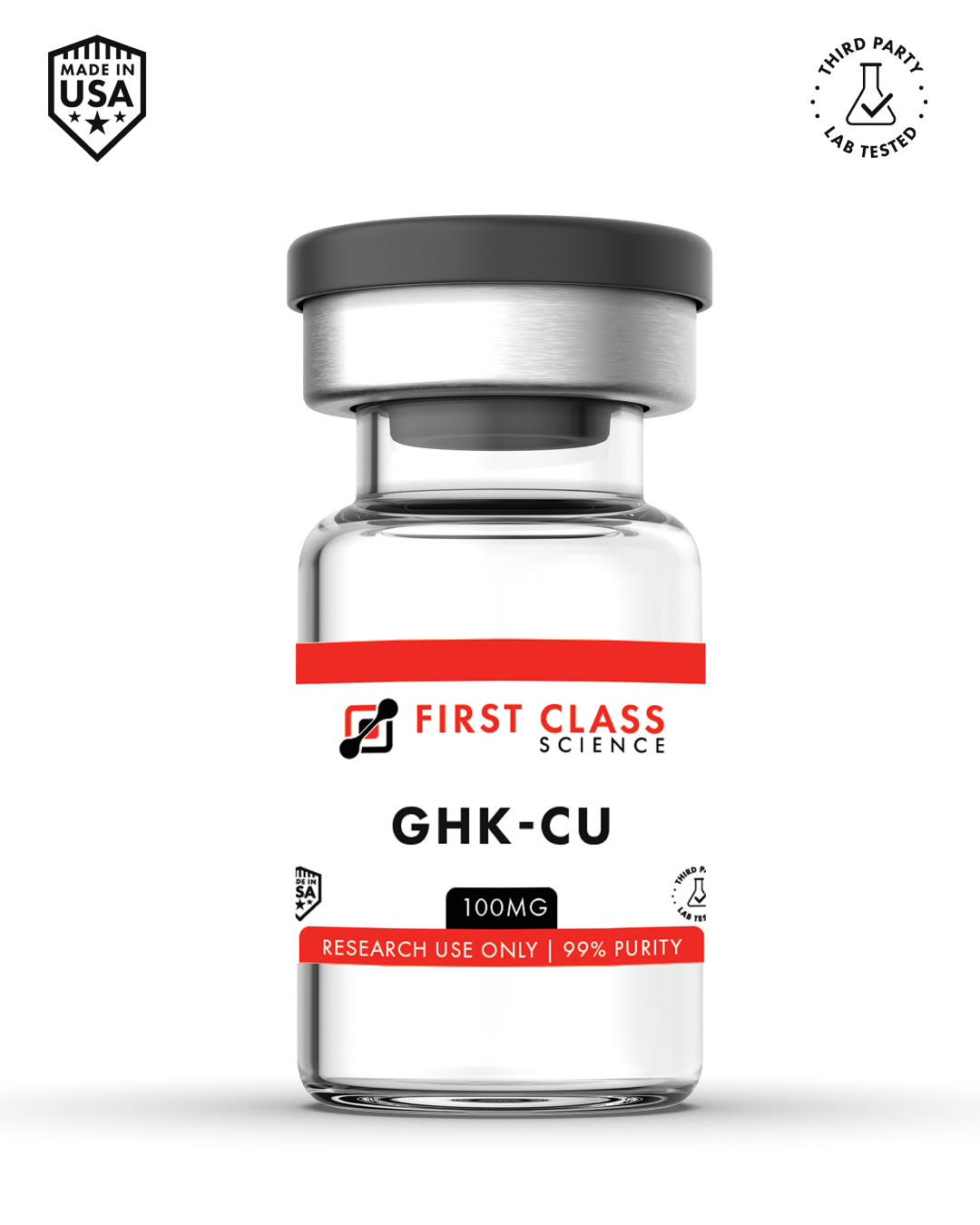
GHK-Cu – 100mg is a copper-binding tripeptide studied in a separate but related body of preclinical literature examining oxidative-stress and tissue-remodeling markers, frequently referenced alongside glutathione in comparative antioxidant-pathway study designs.
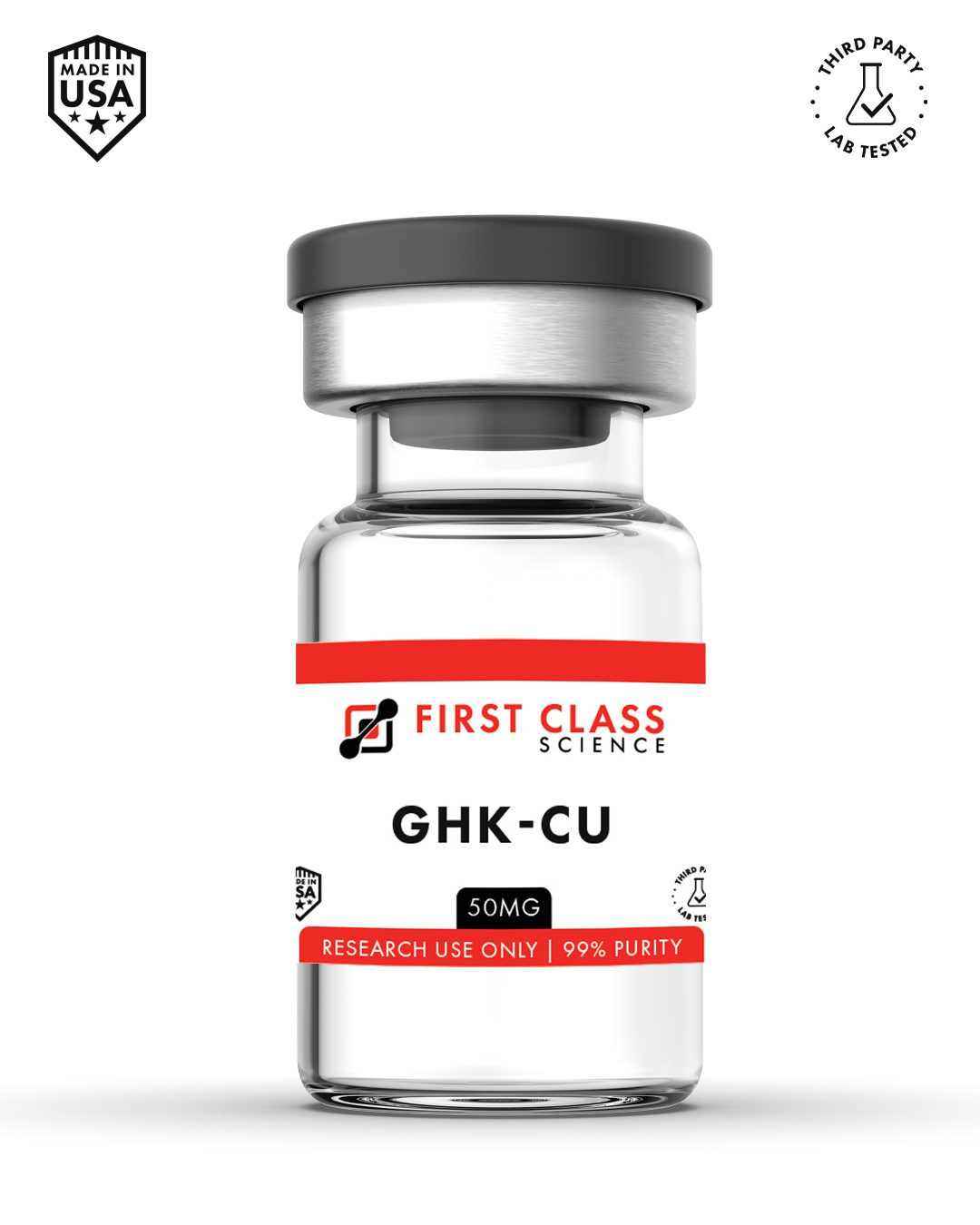
GHK-Cu (Lyophilized) – 50mg supplies the same GHK-Cu research peptide at a smaller vial size, for laboratories running lower-volume comparative protocols alongside a glutathione research peptide arm.
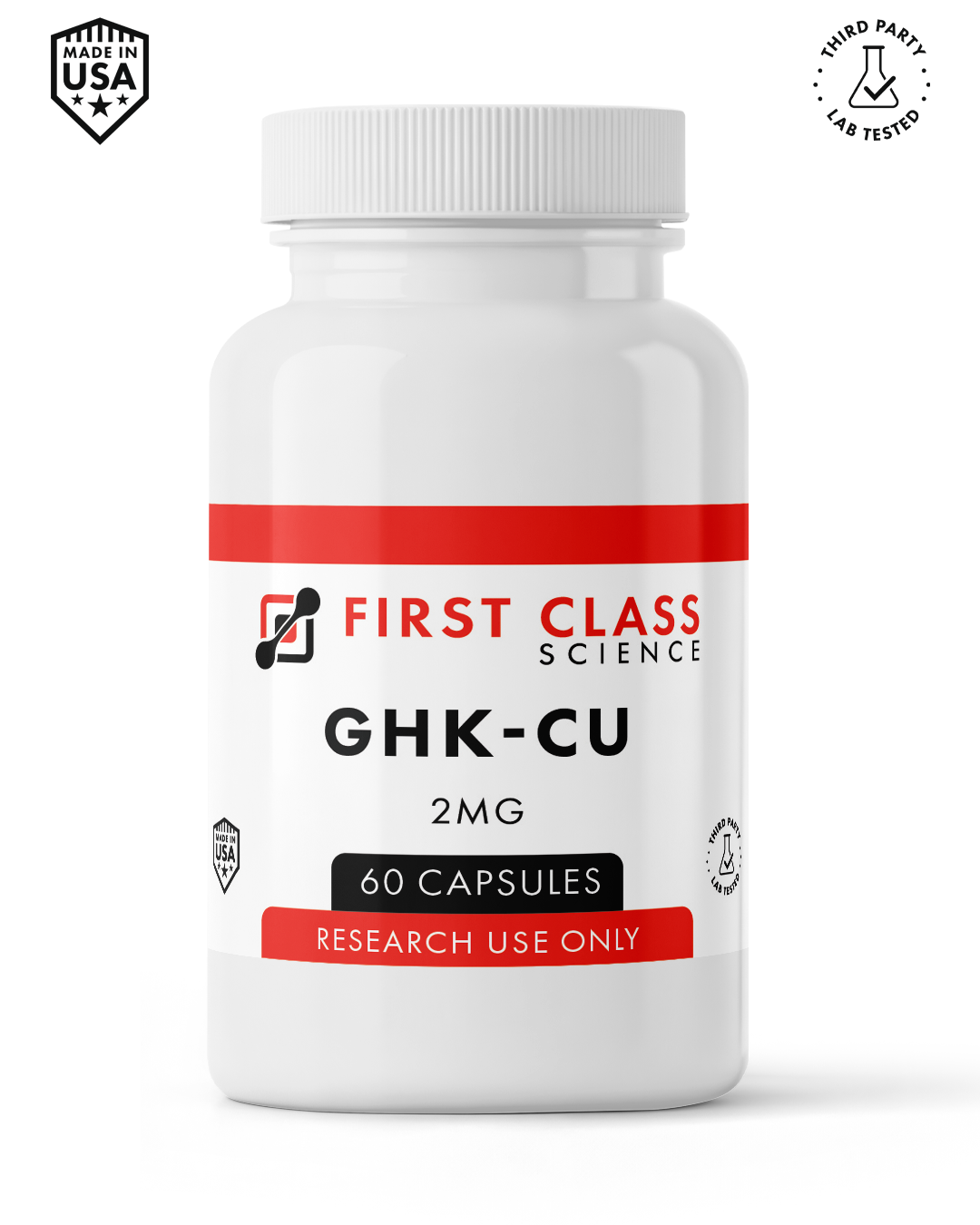
GHK-Cu Capsules – 2mg supply the GHK-Cu research peptide in an oral-research format rather than lyophilized powder for reconstitution, for laboratories whose protocols call for oral-route administration models.
Each of these related preparations carries its own Certificate of Analysis and is subject to the same research-use-only terms described on this page. Laboratories choosing between a lyophilized vial and an oral-capsule format typically base that decision on their specific study design: lyophilized vials give the most control over exact reconstituted concentration for cell-culture or in vitro dosing protocols, while capsule formats are used where a study calls for oral-route rather than solution-based administration models.
Common Research Study Designs
Published studies referenced throughout this page typically fall into one of several designs: cell-culture assays measuring GSH/GSSG ratios or downstream oxidation markers before and after an experimental challenge; isolated hepatocyte or animal-tissue models examining detoxification-pathway activity; controlled rodent studies comparing treated and untreated groups on a defined oxidative-stress biomarker; and, less commonly, small human supplementation studies of the kind discussed in the human-evidence section above. Understanding which design underlies a given finding is important context for interpreting the strength of any individual claim in the literature.
Frequently Asked Questions
What is the purity of this glutathione research peptide?
Every batch is independently verified at 99% purity via third-party HPLC and mass-spectrometry testing, with a Certificate of Analysis published for each lot.
What dosage options are available for this glutathione research peptide vial?
This product is offered in 200mg, 600mg, and 1500mg lyophilized vial options to support different protocol scales.
How should glutathione research peptide be stored?
Store the lyophilized powder at −20°C. After reconstitution, refrigerate at 2–8°C and use within 4–6 weeks; avoid repeated freeze-thaw cycles.
Is glutathione approved for human or animal use?
No. Glutathione supplementation is not an FDA-approved drug for any indication and has not completed the large-scale controlled human clinical trials required for such approval. This product is sold exclusively for in vitro laboratory research and scientific investigation.
How does this glutathione research peptide differ from GHK-Cu?
Both are studied in overlapping oxidative-stress research contexts, but they are chemically distinct: glutathione is a tripeptide antioxidant centered on its cysteine thiol group, while GHK-Cu is a copper-binding tripeptide studied in a separate tissue-remodeling research literature. Researchers running comparative panels frequently order both.
What does the Certificate of Analysis show?
The Certificate of Analysis published for each batch shows the HPLC purity result, mass-spectrometry molecular-weight confirmation, lot number, and test date, allowing researchers to independently verify the identity and purity of the specific batch they receive.
Is there strong human clinical evidence for glutathione supplementation?
No large-scale, adequately powered, placebo-controlled human trials currently establish a defined efficacy profile for glutathione supplementation in any indication. Published human studies are limited, small, and methodologically inconsistent; see the “What the Human Evidence Shows” section above for a fuller discussion.
Shipping, Handling & Compliance
This glutathione research peptide ships as a lyophilized powder in a sealed glass vial, packaged to maintain cold-chain integrity in transit where applicable. All orders are subject to the research-use-only terms stated on this page, and First Class Science does not sell this or any other research peptide for human or veterinary administration under any circumstance. Shipping availability and any import restrictions for research peptides vary by destination country and are subject to change; researchers should confirm their local import regulations for research-use-only compounds before ordering.
Order tracking, batch-specific documentation requests, and general product questions can be directed to First Class Science customer support, which can confirm current lead times and any destination-specific documentation a receiving institution may require for its own compliance records.
Disclaimer: The research summarized above is drawn from third-party published studies conducted in animal, in vitro, or clinical research contexts. It is provided for research and educational reference only and does not describe an intended use, effect, or benefit of this product for any person or animal.
⊗ ALL ITEMS ARE SOLD FOR RESEARCH USE ONLY. This category covers strictly in vitro laboratory testing and scientific experimentation. Content on this site is for education only and does not authorize human or animal use of any kind, which is prohibited by law. Only trained, licensed professionals should handle these materials. Nothing sold here qualifies as a drug, food, or cosmetic, and none of it may be labeled, advertised, or used as such.