

Product Usage: For Research Use Only – Not for Human or Veterinary Use
This product is not a drug, food, cosmetic, or dietary supplement and has not been evaluated by the FDA. It is strictly intended for in vitro research by qualified professionals. Any use in humans or animals is strictly prohibited and may violate federal, state, or local laws, including the Federal Food, Drug, and Cosmetic Act. No therapeutic or diagnostic application is implied or permitted. The purchaser assumes all responsibility for compliance with applicable regulations.
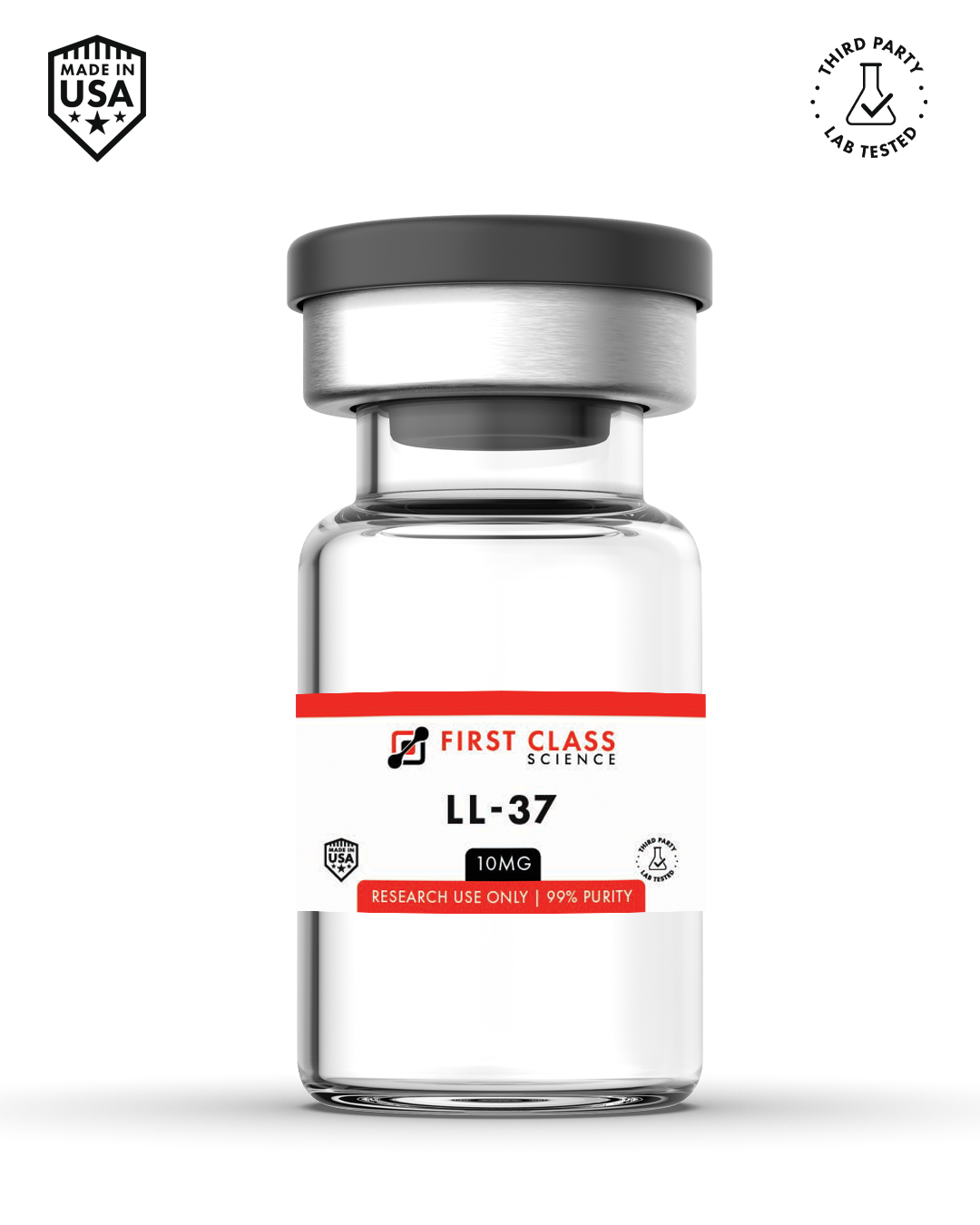
LL-37 – 10mg
10mg lyophilized peptide. LL-37 is the only cathelicidin-derived host-defense peptide identified in humans, studied in laboratory research for its interaction with bacterial membranes and immune-signaling pathways. Supplied at research-grade purity for laboratory use only.
$200.00
LL-37 is the only cathelicidin-family antimicrobial peptide identified in humans, and laboratories that buy LL-37 research peptide from First Class Science are studying a molecule with an unusually deep published literature spanning membrane biology, innate-immune signaling, and — unlike most peptides in this catalog — a completed line of controlled human clinical trials for a related pharmaceutical formulation. This page summarizes that literature, the chemical identity of the 10mg vial sold here, and exactly what the human evidence does and does not establish, so that researchers can cite it accurately.
In this reference:
- What Is LL-37?
- Proposed Mechanism of Action
- Chemical Identity
- Purity, Storage & Quality
- Research Applications
- What the Human Evidence Shows
- Compared to Related Research Compounds
- Frequently Asked Questions
What Is LL-37?
LL-37 is a 37-amino-acid, amphipathic peptide (sequence LLGDFFRKSKEKIGKEFKRIVQRIKDFLRNLVPRTES) generated by proteolytic cleavage of the human cathelicidin precursor protein hCAP18, specifically its C-terminal domain, residues 134–170. Neutrophil elastase, proteinase 3, and prostate-derived gastricsin are among the enzymes reported to release the active peptide from its precursor in response to infection or tissue injury (Svensson & Nilsson, 2025). Researchers who buy LL-37 research peptide are typically working within this innate-immune framework, examining the molecule’s reported antibacterial, antiviral, antifungal, and immune-signaling activity in laboratory systems.
Unlike many peptides in the research-compound literature, LL-37 has an unusually broad reported activity profile. Published work has examined its direct antimicrobial action against both gram-positive and gram-negative bacterial models, its capacity to bind and neutralize bacterial endotoxin (lipopolysaccharide), and its role as a chemoattractant recruiting monocytes, T cells, and neutrophils to sites of tissue disruption in cell-culture and animal-model systems. A 2025 review in Inflammation Research characterizes LL-37 as acting through direct antimicrobial and antiviral effects alongside both pro- and anti-inflammatory signaling mechanisms, depending on the tissue context studied (Svensson & Nilsson, 2025).
It is important for researchers to understand what this literature does, and does not, establish about the specific vial sold on this page. This product is a lyophilized research peptide intended strictly for in vitro laboratory use; it has not itself been tested in humans, and is not equivalent to any pharmaceutical formulation referenced later on this page.
Proposed Mechanism of Action
Study authors have proposed that LL-37’s antimicrobial activity in tested bacterial models begins with electrostatic attraction between the peptide’s cationic surface and negatively charged bacterial membrane components, followed by insertion into the lipid bilayer. Biophysical studies using model membranes have reported that LL-37 can adsorb onto bacterial-type lipid layers while retaining its helical conformation, lying parallel to the bilayer surface at lower peptide concentrations and disrupting membrane integrity at higher concentrations — a pattern some authors describe as concentration-dependent switching between pore formation and a separate nanofibre-type disruption mode.
Separately, published research has proposed LL-37 acts through scavenger-receptor-mediated signaling on immune cells, a pathway implicated in its reported anti-inflammatory effects, including inhibition of LPS/ATP-induced inflammasome activation and interleukin-1-beta release in tested macrophage models. The 2025 Inflammation Research update by Svensson and Nilsson proposes that LL-37 may help contain a local infection through several parallel mechanisms studied to date: direct antibacterial and antiviral action, modulation of pro- and anti-inflammatory signaling, and the ability to eliminate already-infected host cells at a wound or infection site in tested models (PMC11893641).
No single mechanism has been confirmed as the primary driver of every reported LL-37 activity across the published literature; authors of the cited reviews are explicit that antimicrobial, immunomodulatory, and tissue-signaling effects observed in different assay systems may involve distinct, only partially overlapping pathways. Researchers should treat each mechanistic claim in this section as a proposed explanation tied to a specific published study design, not a unified, fully established pharmacology.
Chemical Identity
| CAS Number | 154947-66-7 |
| Molecular Formula | C205H340N60O53 |
| Molecular Weight | 4493.34 g/mol |
| Sequence Length | 37 amino acids |
| Appearance | White to off-white lyophilized powder |
Full compound data: PubChem CID 16198951 (pubchem.ncbi.nlm.nih.gov/compound/16198951)
Purity, Storage & Quality
First Class Science supplies this LL-37 research peptide vial at 99% purity, verified by independent third-party HPLC testing and mass spectrometry. A Certificate of Analysis is available for every batch at our Certificate of Analysis page, listing the specific lot’s purity result, molecular-weight confirmation, and test date.
Store the lyophilized compound at −20°C for long-term stability. After reconstitution with bacteriostatic or sterile water, refrigerate at 2–8°C and use within 4–6 weeks. Avoid repeated freeze-thaw cycles and prolonged exposure to light or room-temperature conditions, both associated with accelerated peptide degradation in handling literature.
Important: This item is manufactured strictly for research purposes. It is not intended for human or veterinary use and is distributed solely for laboratory and scientific investigation.
Quality Control Methodology
Each production batch of LL-37 research peptide undergoes independent third-party testing before release. High-performance liquid chromatography (HPLC) confirms purity by measuring the proportion of target peptide relative to synthesis by-products or degradation fragments in the sample. Mass spectrometry separately confirms molecular identity, verifying that the measured mass of the material matches the expected 4493.34 g/mol molecular weight of LL-37. Both results are recorded on the batch’s published Certificate of Analysis, allowing researchers to independently verify the identity and purity of the material used in their protocols rather than relying on manufacturer claims alone.
Preparing Solutions for Laboratory Use
Laboratories reconstituting lyophilized LL-37 research peptide for in vitro assay use typically follow standard peptide-handling practice: the vial is brought to room temperature before opening, and a diluent — commonly reconstitution solution or sterile water for injection (SWFI) — is added slowly down the interior wall of the vial rather than directly onto the lyophilized material, to reduce foaming and mechanical stress on the peptide. The vial is then gently swirled, never shaken, until the powder is fully dissolved.
Stock-solution concentration for a given protocol is calculated by dividing the total peptide mass in the vial by the volume of diluent added, and that calculation should be recorded in the laboratory’s protocol documentation for reproducibility. Because LL-37 is amphipathic and can adsorb to plastic labware surfaces, some laboratories report using low-protein-binding tubes for stock-solution storage to reduce peptide loss between assay runs. This page describes general laboratory reconstitution practice for research use and is not a dosing guide for human or animal administration.
Who Sources This Research Peptide
Laboratories that buy LL-37 research peptide from First Class Science are typically university and academic microbiology or immunology groups, contract research organizations (CROs), and biotechnology R&D teams running in vitro assays on antimicrobial membrane activity or innate-immune signaling. First Class Science requires that all research-peptide orders be placed by parties who acknowledge and agree to the research-use-only terms stated on this page prior to purchase.
Institutional buyers frequently request the Certificate of Analysis for a specific lot in advance of purchase for their own internal quality-assurance records, and First Class Science makes this available on request in addition to the standing copy published for each batch.
Research Applications
The published literature on LL-37 spans several distinct research areas. Each is summarized below strictly as a description of what has been studied in cell-culture and animal models — not as a claim about effects in humans from this product.
Antimicrobial Membrane Activity
In vitro research has examined LL-37’s interaction with, and disruption of, bacterial cell membranes across a range of tested gram-positive and gram-negative bacterial models. Molecular-dynamics and biophysical studies using model lipid bilayers (POPC and POPG systems) have examined how the peptide’s helical structure and charge distribution govern its membrane-binding behavior, proposing this interaction as the structural basis for the antimicrobial activity reported in these assays.
Endotoxin Neutralization & Immune-Cell Signaling
Separate cell-culture research has examined LL-37’s reported capacity to bind and inactivate bacterial lipopolysaccharide (endotoxin), and its role as a chemoattractant for monocytes, T cells, and neutrophils in tested immune-signaling models. Related work has studied the peptide’s modulation of cytokine release and inflammasome activity in macrophage cell-culture systems, an area of active mechanistic interest for researchers modeling innate-immune responses.
Wound-Environment & Tissue-Repair Research Models
A distinct line of preclinical and cell-culture research has examined endogenous LL-37 expression patterns in acute versus chronic wound-tissue samples, along with the peptide’s association with re-epithelialization and angiogenesis-related signaling in tested animal and cell-culture wound models. This research area is discussed further in the human-evidence section below, since it is also the area with the most advanced (though still limited and formulation-specific) human clinical data of any peptide in this catalog.
Antiviral & Antifungal Research
Additional published research has examined LL-37’s reported activity against several tested viral and fungal models in cell-culture systems, including studies of its interaction with respiratory viral particles. This remains an earlier-stage research area relative to the antimicrobial-membrane and wound-tissue literature, with fewer independent replications published to date.
What the Human Evidence Shows
LL-37 occupies an unusual position among the peptides in this catalog: it is one of the few with a completed program of controlled human clinical trials — but those trials studied a specific pharmaceutical drug formulation, not the research-grade lyophilized peptide sold on this page, and researchers should not conflate the two.
A 2021 phase IIb, double-blind, randomized, placebo-controlled trial (the “HEAL LL-37” study) enrolled 148 patients with hard-to-heal venous leg ulcers across 15 sites in Poland and Sweden (Mahlapuu et al., Wound Repair and Regeneration, 2021;29(6):938-950; PMC9298190). Patients received a synthetic LL-37 peptide formulated in a polyvinyl-alcohol topical gel, applied twice weekly alongside standard compression therapy, and manufactured under pharmaceutical conditions by a named contract manufacturer for a sponsor developing the product as an investigational drug.
Across the full study population, complete wound-closure rates were not statistically different between LL-37 and placebo groups. A pre-specified subgroup analysis of patients with larger wounds (10 cm² or greater) did report statistically significant improvements in healing-rate constants and time-to-closure at the lower dose tested versus placebo. The treatment was reported as well tolerated, with no consistent difference in adverse-event rates between active and placebo arms.
Two points are essential for researchers to take from this trial. First, even in its own subgroup-positive findings, this was an investigational topical drug candidate evaluated under an Investigational New Drug program — it has not received FDA approval, and the trial does not establish safety or efficacy for any product, including the research peptide sold on this page. Second, the formulation, dose, manufacturing standard, and administration route studied in the trial are specific to that pharmaceutical program and are not represented by, or interchangeable with, this research-use-only vial.
We include this trial because researchers deserve an accurate picture of the evidence base, not just the parts that sound most compelling, and because LL-37’s human-trial history is genuinely more developed than most peptides in this catalog. That history does not change this product’s status: it is sold exclusively for laboratory and in vitro research use, has not itself been evaluated in humans, and is not intended to diagnose, treat, cure, or prevent any disease or condition in any person or animal.
Common Research Study Designs
Published LL-37 studies referenced throughout this page generally fall into one of several designs: in vitro membrane-biophysics assays isolating a specific structural interaction; cell-culture immune-signaling experiments examining cytokine or chemotaxis endpoints; and, in the wound-healing area specifically, a small number of controlled human clinical trials of a distinct pharmaceutical formulation. Understanding which design underlies a given finding is important context for interpreting the strength of any individual claim, since an in vitro biophysics result and a phase IIb clinical-trial subgroup finding carry very different evidentiary weight — and neither describes an effect of the research peptide sold on this page.
Compared to Related Research Compounds
Researchers studying LL-37’s innate-immune and antimicrobial signaling profile frequently run comparative protocols alongside other immune- or inflammation-associated research peptides. First Class Science supplies several related preparations for this kind of comparative study design:
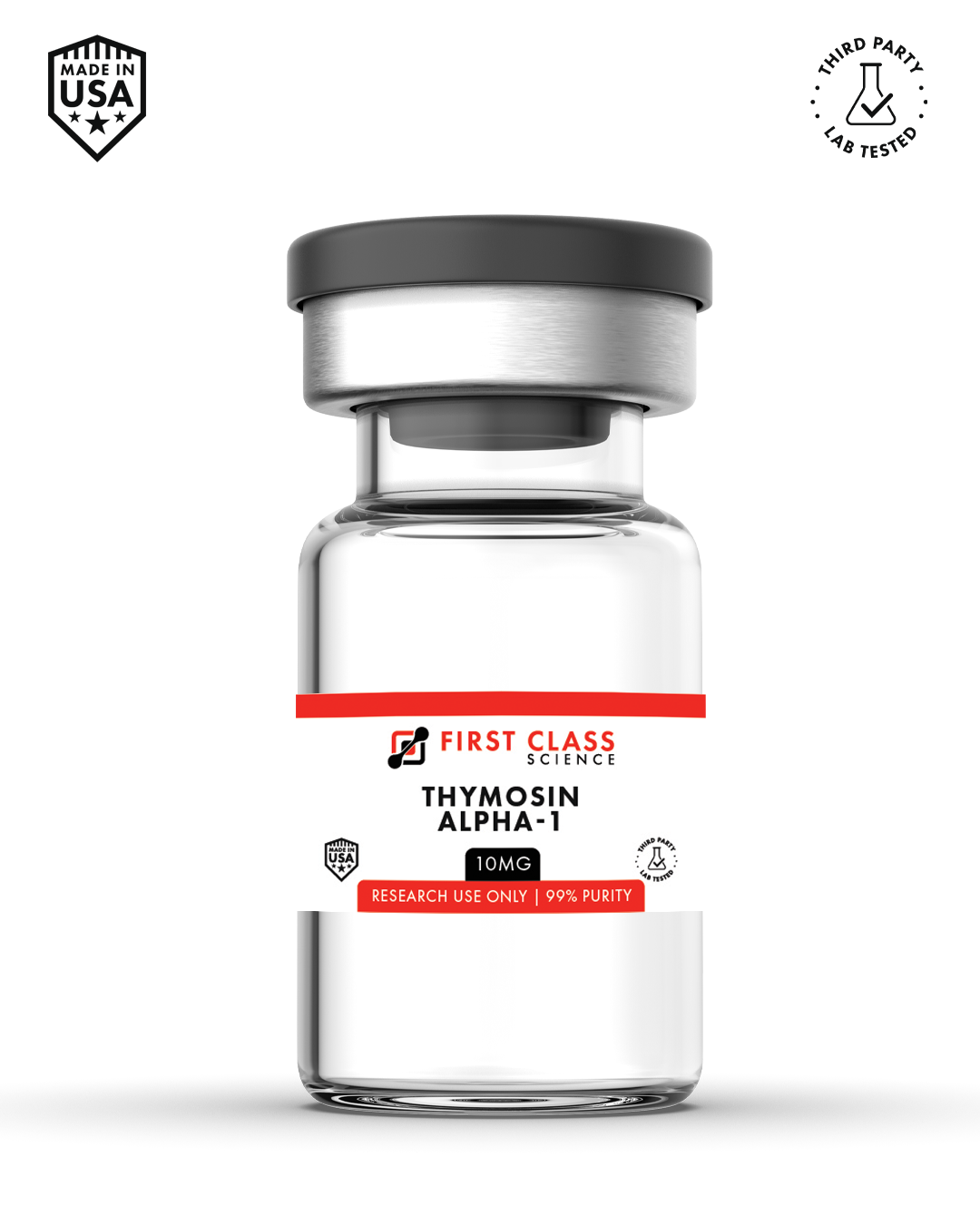
Thymosin Alpha-1 – 10mg is studied in a separate but adjacent immune-research context, with published literature examining its association with T-cell maturation and modulation of adaptive-immune signaling, distinct from LL-37’s innate, antimicrobial-membrane focus. Laboratories running comparative innate-versus-adaptive immune-signaling protocols frequently order both compounds together.
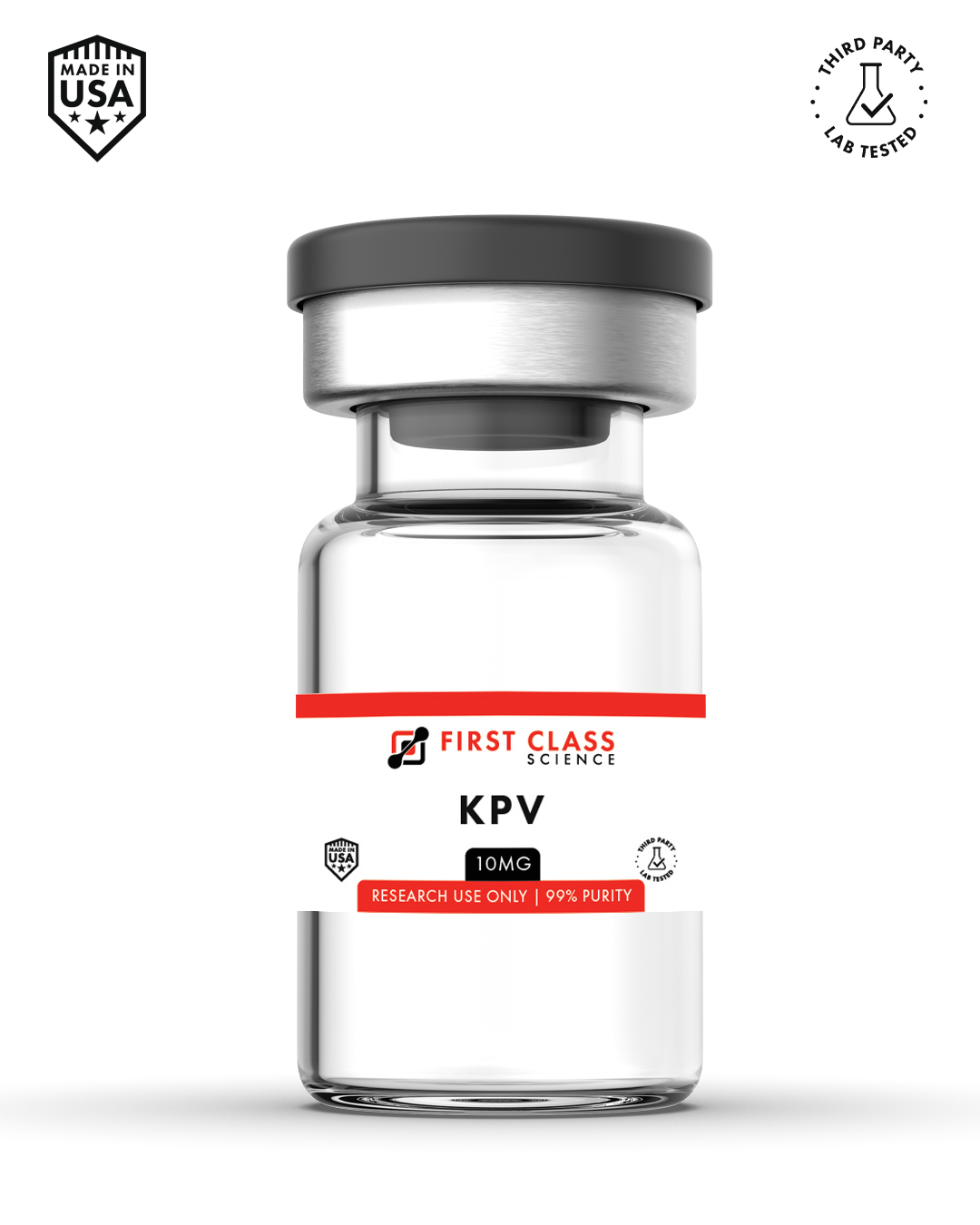
KPV – 10mg is a tripeptide fragment of alpha-MSH studied for its association with anti-inflammatory signaling in cell-culture and animal models, offering researchers a smaller, structurally distinct comparator for protocols examining inflammatory-pathway modulation alongside LL-37’s endotoxin-neutralization and chemotaxis literature.
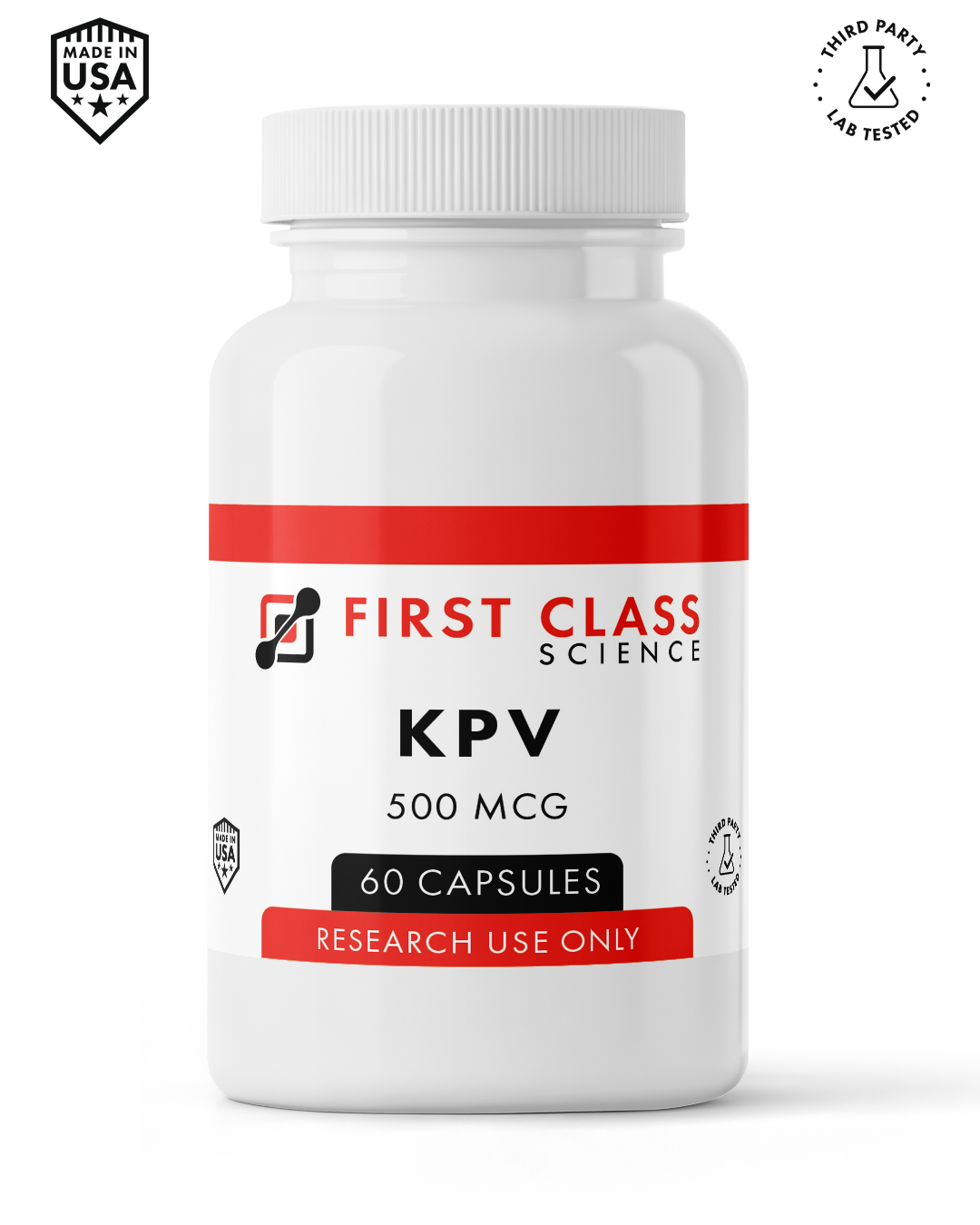
KPV Capsules – 500mcg supplies the same KPV research peptide referenced above in an oral-research capsule format rather than lyophilized powder for reconstitution, for laboratories whose protocols call for oral-route rather than injectable-solution administration models.
Laboratories choosing among these related research peptides typically base that decision on which arm of the innate-versus-adaptive immune or inflammatory-signaling literature their protocol is designed to probe, and whether the study calls for a reconstituted-solution or oral-capsule administration model. Each compound carries its own Certificate of Analysis and is subject to the same research-use-only terms described on this page.
Frequently Asked Questions
Where can researchers buy LL-37 research peptide with verified purity?
First Class Science supplies LL-37 research peptide at 99% purity, independently verified by third-party HPLC and mass-spectrometry testing, with a Certificate of Analysis published for every batch.
How should LL-37 research peptide be stored?
Store the lyophilized powder at −20°C. After reconstitution, refrigerate at 2–8°C and use within 4–6 weeks; avoid repeated freeze-thaw cycles.
Is LL-37 approved for human or animal use?
No. Neither this research peptide nor any related pharmaceutical formulation of LL-37 has received FDA approval. The compound is sold here exclusively for in vitro laboratory research and scientific investigation.
Has LL-37 ever been tested in human clinical trials?
A distinct pharmaceutical topical formulation of LL-37 (not this product) was evaluated in a completed phase IIb trial for venous leg ulcers, discussed in the “What the Human Evidence Shows” section above. That trial does not establish any use or benefit for the research-grade peptide sold on this page.
Why buy LL-37 research peptide instead of a related immune-signaling compound?
LL-37 is studied specifically for innate-immune, antimicrobial-membrane, and endotoxin-neutralization research questions, distinguishing it from adjacent compounds like Thymosin Alpha-1 (adaptive T-cell signaling) or KPV (broader anti-inflammatory pathways) also available from First Class Science.
What does the Certificate of Analysis show?
The Certificate of Analysis published for each batch shows the HPLC purity result, mass-spectrometry molecular-weight confirmation, lot number, and test date, allowing researchers to independently verify the identity and purity of the specific batch they receive.
Shipping, Handling & Compliance
This LL-37 research peptide ships as a lyophilized powder in a sealed glass vial, packaged to maintain cold-chain integrity in transit where applicable. All orders are subject to the research-use-only terms stated on this page, and First Class Science does not sell this or any other research peptide for human or veterinary administration under any circumstance.
Order tracking, batch-specific documentation requests, and general product questions can be directed to First Class Science customer support, which can confirm current lead times and any destination-specific documentation a receiving institution may require for its own compliance records.
Disclaimer: The research summarized above is drawn from third-party published studies conducted in animal, in vitro, or clinical research contexts. It is provided for research and educational reference only and does not describe an intended use, effect, or benefit of this product for any person or animal.
⊗ ALL ITEMS ARE SOLD FOR RESEARCH USE ONLY. This category covers strictly in vitro laboratory testing and scientific experimentation. Content on this site is for education only and does not authorize human or animal use of any kind, which is prohibited by law. Only trained, licensed professionals should handle these materials. Nothing sold here qualifies as a drug, food, or cosmetic, and none of it may be labeled, advertised, or used as such.